
If a reward always shows up at the same spot, your dog’s body starts anticipating it – and that anticipation has a cost.
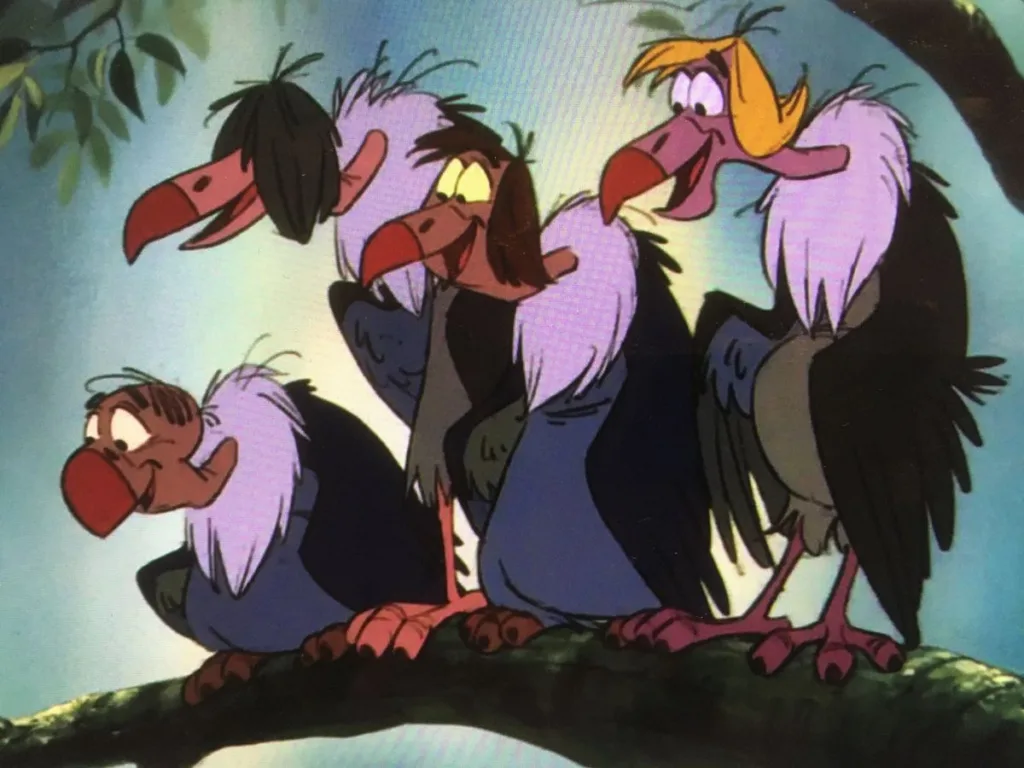
Here’s a pattern a lot of handlers notice but can’t quite explain: their dog has a gorgeous sit stay on the start line in training, but as soon as there’s any excitement, the dog acts like it’s rear legs are hydraulics, and it takes forrreeeeevvvver to sit. Or a dog that sits, but then almost immediately leans forward (we call that being a vulture) and you can see daylight under that fluffy butt…and they seem unresponsive to further requests to sit.
This isn’t randomness, and it isn’t the dog being difficult.
It’s classical conditioning, working exactly the way it always does – just not in the direction you wanted.
The Mechanism
If a reward consistently shows up right after a specific moment – the exact instant of a release from a sit stay, for example – a dog’s body starts to physically anticipate that reward before it happens – they start to associate the word ‘sit’ with that reward and want to skip right over ‘sit’ to ‘run and chase!’. This effect is especially strong with high-arousal rewards like chasing a thrown toy or food, because dogs mobilize for that kind of reward with real physical tension. They tighten up. They get ready to explode.
That tension is genuinely useful when the goal is speed. It becomes a problem the moment the goal is precision, patience, or a clean, unhurried movement.
So picture a dog who gets a toy thrown immediately after every release from a sit stay. Eventually the sit cue itself starts to predict the reward – and the anticipation shows up inside the sit behavior, not after it. The dog stops moving fluently through the sit behavior because part of their body is already bracing for what’s coming next. The behavior looks sloppy, or disappears entirely, and it’s tempting to blame training reps, when the real cause is timing.
The Fix Is a Gap, Not More Reps
A marker breaks this link by creating separation between the correct moment and the reward itself. You mark the behavior – that’s the credit assignment doing its job – and then you can wait. A second. A few seconds. However long serves the behavior. That gap is what keeps the specific movement from becoming tangled up with the dog’s anticipation of what comes after it.
This isn’t just a theoretical nuance. It shows up constantly in agility – in start lines, in weave entries, in any moment where precision matters more than speed and a dog’s body needs to stay loose and thoughtful rather than braced and anticipatory.
This principle – not just what a marker means, but when it’s delivered relative to the reward – is baked into every marker taught in KNOW Games: Building Resilient Dogs Through Complete Communication.
Next time: why saying a cue word multiple times (“sit… sit”) isn’t just harmless repetition, and what to do instead if you actually want your dog to hold a position or push through a longer sequence.