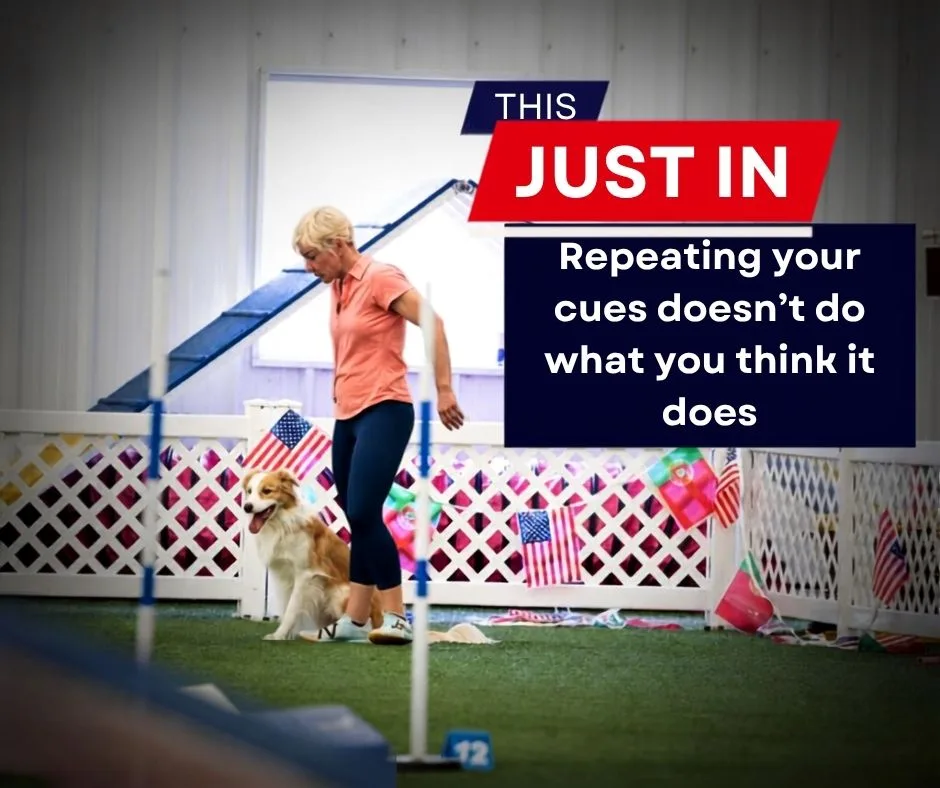
If you’ve ever said some version of that sentence, you’ve got a lot of company. It’s one of the most common things handlers say about their dogs, and it usually gets chalked up to the dog being “food motivated” or a little bit stubborn. It’s neither. It’s a training gap, and it’s one almost everyone runs into.
Why This Happens
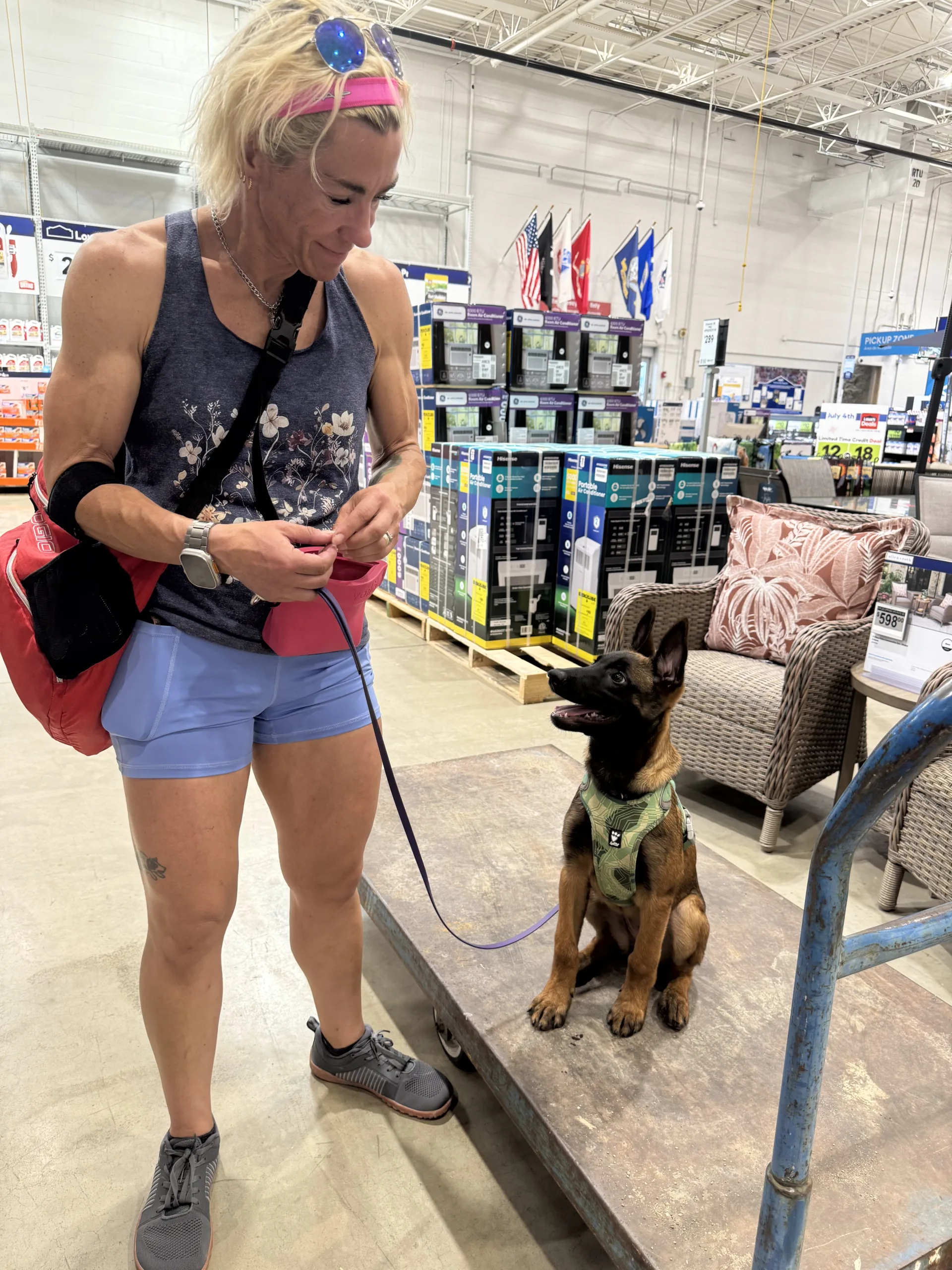
Early in training, visible rewards are normal and necessary. Food in your hand, a toy clipped to your belt, a bait pouch at your hip. That’s fine during the teaching phase. The problem shows up when it never moves past that phase. If your dog always sees the reward before working, that visible reward inevitably becomes part of the cue. Dogs are excellent pattern-readers, and “handler has food” vs. “handler doesn’t” is a very easy pattern to pick up on, even when you never meant to teach it.
So your dog ends up with two different pictures of what’s expected: one for when the reward is visible, and one for when it isn’t. And only one of those gets full effort.
Building a “Believer”
The fix isn’t a tougher dog or more repetitions of the same setup! It’s a deliberate process of moving the reward out of sight, and it’s one a real marker system makes possible. A marker lets you reward a behavior without the reward being present at the moment the behavior happens. You can hide food on your body, stash a toy somewhere out of view, mark the correct behavior, and go retrieve the reward afterward.
Once this is built properly, your dog stops needing to see the paycheck to trust and KNOW it exists. They work because the marker let them KNOW they earned something, not because they could see it sitting there.
This is how you build what I think of as a believer: a dog who works because they KNOW the system, and trust it, not because they can see the paycheck sitting on the table.
Why This Matters for Agility
This process matters especially in a sport where you genuinely cannot be working through a course with a bait pouch on your hip and a tug stuffed in your pants. Your dog needs to trust that the reward is coming after the run, not during it, and that trust has to be built deliberately, the same way any other piece of training is built. Skipping this step is one of the most common reasons dogs look fantastic in the training room and less reliable the moment the visible reward disappears.
Markers are the bridge across that gap.
Markers are the bridge across that gap. This is just one piece of a much bigger system, one I built specifically so your dog never has to guess whether the payoff is real. That system is KNOW Games, and I’ll keep unpacking more of the WHY behind it in the blog posts ahead.
Next up: why your dog might tense up, rush, or get stiff right before a turn, even when nothing about your handling changed. It’s not bad handling. It’s classical conditioning, and once you see it, you can’t unsee it.